
Five things worth arguing about.
This is not a list of benefits. Each of these is a decision we made that a reasonable buyer could disagree with, and the reasoning behind it. If you are going to hold us to something, hold us to these.
Documents before sensors.
The usual pitch is a sensor rollout. Ours starts with the paperwork you already generate, because the first year of insight is already sitting in your filing cabinet — twelve months of bills, service reports and logbooks that nobody has read side by side.
“Paper is worse data than a sensor. Why would we start there?”
It is worse data, and it is free, retrospective and already complete. A sensor installed today tells you nothing about last year. Sensors come second, at the sites where the documents proved they would pay back.
Verification needs a second instrument.
Most platforms verify by checking a reading against their own model of what the reading should be. That is internally consistent and proves nothing. We compare two independent witnesses — what the DISCOM billed, and what our submeter measured — and flag the gap rather than resolving it quietly.
“Everyone says they verify. What makes yours different?”
Ask them what the second measurement is. If the answer is a model, an estimate or the vendor's own report, there is only one witness. Then ask whether they re-check the repair a week later — no profiled competitor does.
We turn down deployments.
Instrumentation only earns its place where runtime and tariff justify it. A QSR outlet generator runs too few hours to pay for a fuel sensor, so we say so and leave that estate on the documentary route. A logistics hub is the opposite case, and there we push for measurement.
Where we push for Meter
High-runtime generators, and any claim of a Scope 1 reduction that has to survive assurance.
Where we recommend against it
Low-runtime assets where the sensor costs more than the insight is worth. Attest alone is the honest answer.
Why we bother saying it
A rollout that does not pay back becomes the reason the next one is refused. We would rather keep every claim credible.
Pay-per-use, so we are re-earned.
No licence, no capex, no annual lock-in. It is a worse commercial model for us — revenue is lumpier and a bad quarter of service shows up immediately — and that is the point. If the verification stops being worth the line item, you stop paying for it.
“Per-unit pricing is unpredictable. We would rather budget one number.”
Fair. Attest is priced per branch per month for exactly that reason, so the budget line is flat. What we will not do is charge for a year in advance before you have seen a single verified report.
What we do not claim.
A vendor's omissions tell you more than their case studies. Here are ours, written down so you do not have to find them.
A field network, built since 2000.
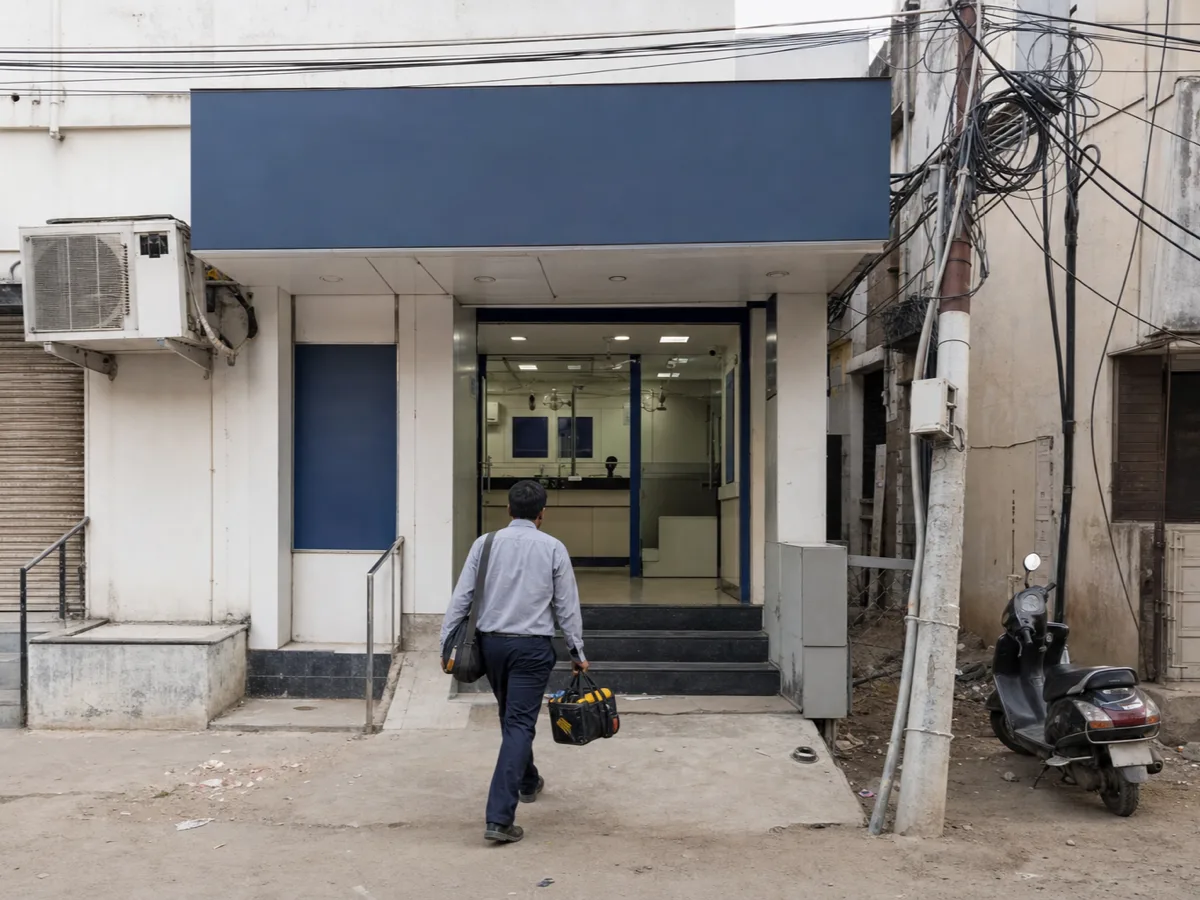
Software can be rebuilt in a year. An engineer who already visits a Tier 3 branch every month cannot. That is why the instrument goes on during a normal service visit instead of becoming its own installation project — and why everything starts with Sustain rather than ending there.
Start with what you already have.
Send us twelve months of bills, your service records and your asset register. We'll return a documentary diagnosis of your estate: where the outliers are, what each site costs, and where your own numbers don't reconcile.
About an hour of your team's time to pull together. Ten to fifteen working days for us to return. No hardware, no capex, no commitment.